
Montage video it is the process of selecting the video and sound that will be included in the finished movie. Initially, this is a selection of material, which is successful and which is not, removing bad material, arranging the footage in accordance with the scenario.
Montage Video Project Brief
This template provides a structured format for outlining the key aspects of a montage video or video editing project, including its goals, target audience, content details, style preferences, technical requirements, and timeline.
Section Description Project Title [Your project title] Project Description [Brief description of the project goals and main purpose of the montage video or video editing] Target Audience [Description of the target audience, including demographics, interests, and preferences] Content Details [Description of the raw footage or content to be included in the montage video, including duration, format, and any specific instructions] Style Preferences [Description of the desired editing style (e.g., fast-paced, cinematic) and any specific visual or audio effects to be included] Technical Requirements- Editing Software: [e.g., Adobe Premiere Pro, Final Cut Pro]
- File Format: [e.g., MP4, MOV]
- Resolution: [e.g., 1080p, 4K]
Types of video montage/editing
- Cut-based editing: This is a simple method of video editing that involves cutting and pasting clips together to create a final video. It's commonly used in news and documentary filmmaking.
- Transition-based editing: This technique involves using transitions, such as fades, wipes, and dissolves, between different clips to create a seamless flow. It's popularly used in music videos and commercials.
- Montage-based editing: This type of editing involves using a montage, which is a sequence of short shots edited together to convey a specific idea or mood. It's often seen in films and TV shows.
- Non-linear editing: This method of editing uses computer software to edit videos, making the process more efficient and flexible. It's widely used in professional film and video production.
- Motion graphics: This technique uses animation and visual effects to enhance the visual appeal of a video. It's often used in music videos, films, and commercials.
- Color correction: This type of editing includes adjusting color balance, contrast, and saturation to enhance the visual appeal of a video. It's commonly used in films, TV shows, and commercials.
- Audio editing: This technique involves using sound effects, music, and voice-over to improve the audio quality of a video. It's often used in films, TV shows, and commercials.
- Time-remapping: This technique involves manipulating the speed of a video, either by slowing it down or speeding it up, to create a specific effect. It's commonly used in music videos and commercials.
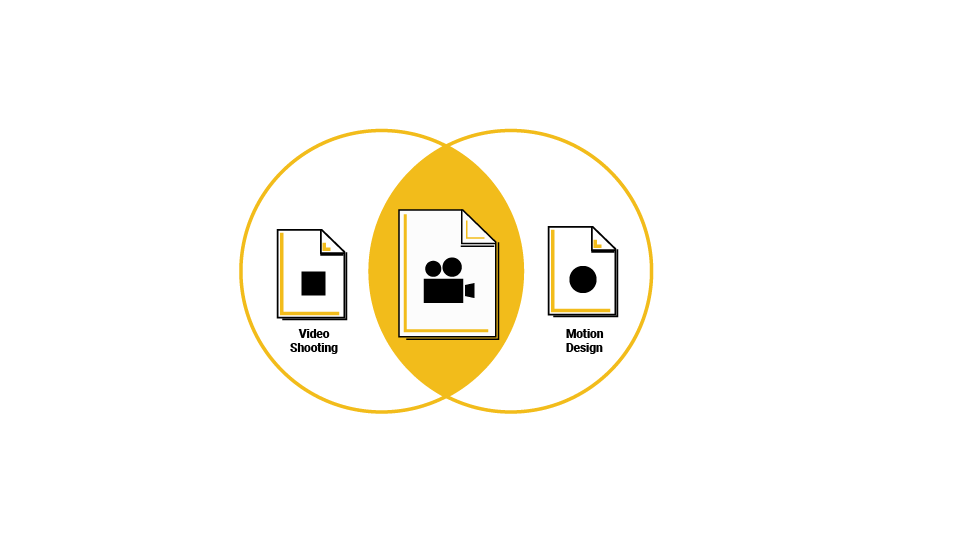
It's worth noting that some editing techniques may overlap and different techniques may be used together in the editing process of a specific video.