
For a company or for a personal explainer video, the information of this organization is needed in order to understand what explainer video needs to be made. To get acquainted with the company, a brand book or any other related documents can be useful with which you can create the style of a future video.
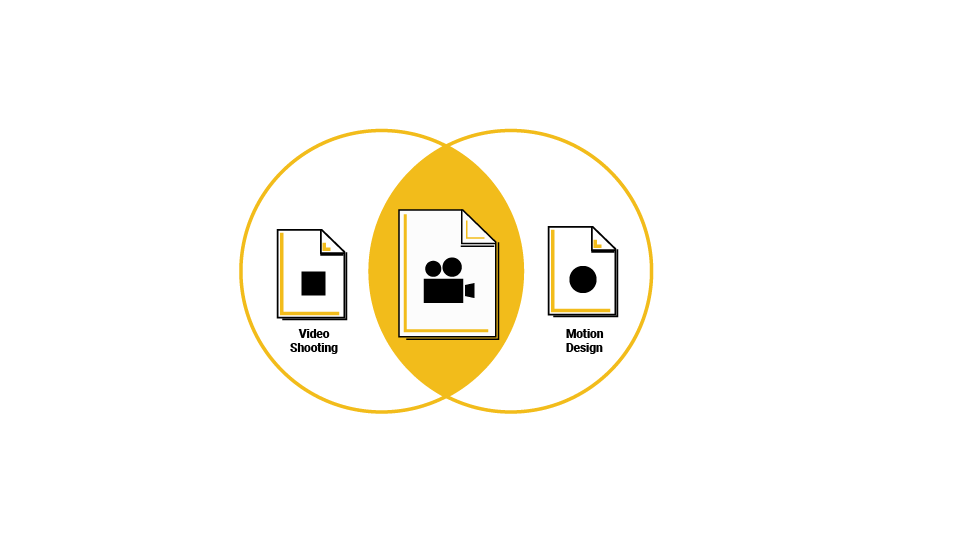
Explainer videos are a great way to communicate complex or abstract ideas in a simple and engaging manner. They can be used for a variety of purposes, such as marketing, education, or training. Here are some technical requirements to keep in mind when creating an explainer video:
Script and Storyboard:
- A clear and concise script is the backbone of any successful explainer video. The script should be written in a conversational tone and should explain the key features and benefits of the product or service.
- The storyboard helps visualize the script and identify the key elements that need to be included in the video.
Length:
The length of the explainer video should be kept short, ideally between 60 to 90 seconds. This ensures that the video remains engaging and holds the viewer's attention throughout.
Video Resolution:
The video resolution should be high-definition (HD) to ensure that the video looks crisp and clear on all devices. The recommended resolution is 1920 x 1080 pixels.
Audio Quality:
Good audio quality is crucial for the success of an explainer video. Make sure to use a high-quality microphone and record in a quiet environment to avoid background noise.
Animation:
Animation is a popular choice for explainer videos as it helps to simplify complex ideas and make them easier to understand. When using animation, it's important to use a style that is consistent with your brand and message.
Call-to-Action:
A call-to-action (CTA) should be included at the end of the video to encourage the viewer to take a specific action, such as visiting a website or signing up for a newsletter.
Music and Sound Effects:
Music and sound effects can enhance the overall impact of an explainer video. However, it's important to use them sparingly and make sure they complement the visuals and message of the video.
File Format:
- The final video should be saved in a compatible file format that can be easily shared and uploaded to various platforms.
- The most common file formats for explainer videos are MP4, AVI, and MOV.
Overall, creating an effective explainer video requires careful planning and attention to detail. By keeping these technical requirements in mind, you can ensure that your video is engaging, informative, and easy to share with your target audience.
 Invigorated by the serene calm, he feels as if atop a mountain peak, inspired to conquer challenges ahead, all while enjoying our exquisite coffee.
Scene #2
Invigorated by the serene calm, he feels as if atop a mountain peak, inspired to conquer challenges ahead, all while enjoying our exquisite coffee.
Scene #2  Savoring our rich, aromatic coffee amidst the city's chaos, he finds renewed clarity and determination to conquer challenges ahead.